
Can You Get a Tooth Pulled the Same Day in Houston, TX?
Northwest Houston starts early. When a molar turns on you at 7 a.m. in one of the office parks off Clay Road, the question isn't whether to see a dentist. It's whether the tooth comes out today.
Short Answer
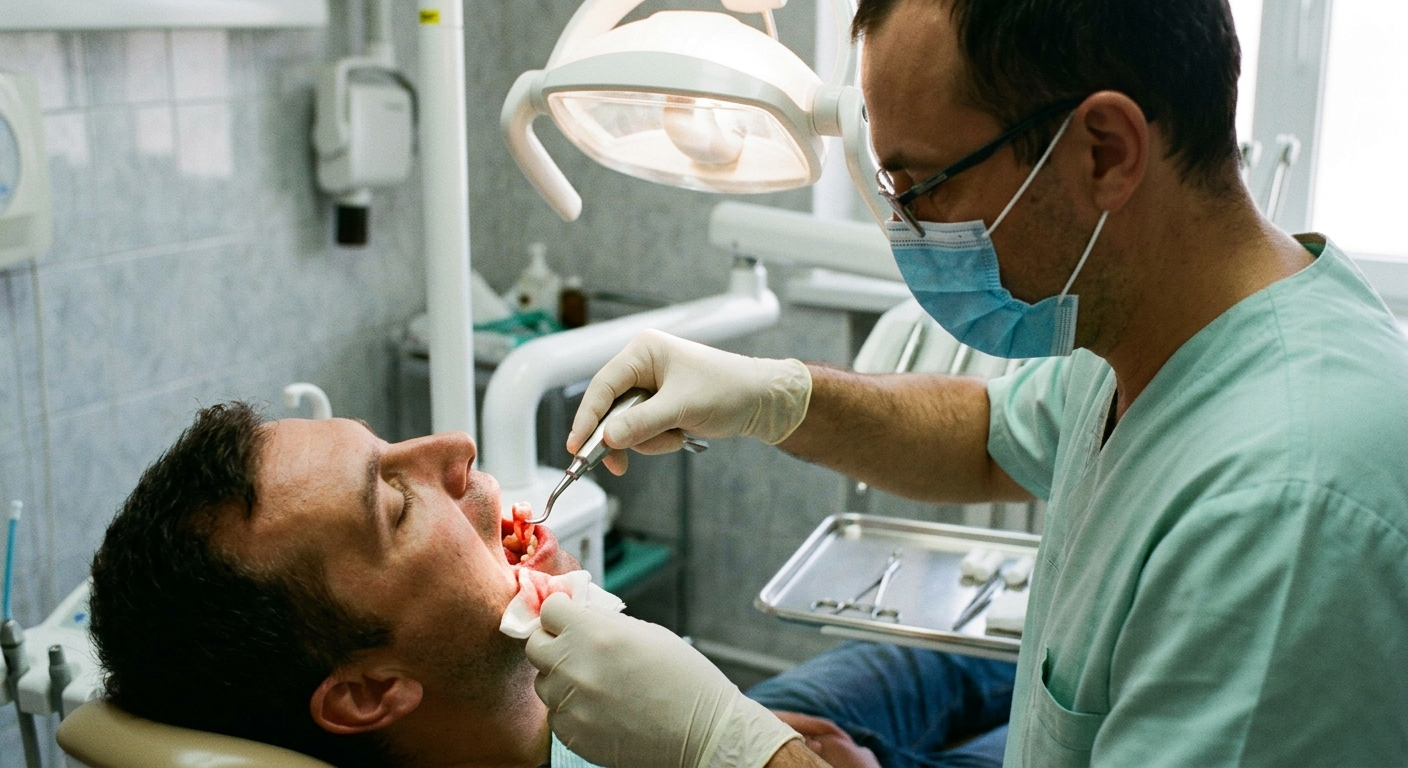
Usually, yes. If the area can be numbed, the dentist can safely reach the tooth, and nothing in your health history needs sorting out first, a simple or surgical extraction is normally finished in that same visit. It gets pushed to another day mainly when swelling has spread across the face or a medical condition has to be handled first.
Key Takeaways
- Most extractions, simple and surgical, are completed in one visit.
- Widespread facial swelling, fever, or trouble opening your jaw can delay the extraction.
- Blood thinners, recent heart procedures, bone density medications, and uncontrolled blood sugar need review before the tooth comes out.
- Choose sedation and you cannot drive yourself home, so arrange the ride first.
- Going in earlier in the day leaves room for X-rays or a second step.
What Usually Lets a Tooth Come Out Today
Dr. Tarsem Lal narrows it to three things: whether the area can be fully numbed, whether the dentist can physically reach the tooth, and whether your medical history allows it.
A molar broken at the gumline, a cracked tooth that can't be saved, a failed root canal, a wisdom tooth that keeps flaring up: these are routine one-visit cases. An infected tooth usually is too. Removing it takes out the source, which is why sitting on antibiotics for a week isn't standard care.
What Pushes It to Another Day
Swelling is the main reason. A tight abscess in one spot normally doesn't stop anything. Swelling that has spread across your cheek, closed an eye, or made it hard to open your mouth is a different situation, because local anesthetic works poorly in that tissue. In those cases the infection is often treated first and the tooth is removed a few days later.
The second reason is medical. Blood thinners, a recent heart procedure, bone density medication, past radiation to the jaw, or blood sugar that's been running high can change how the extraction is planned. Dr. Tarsem Lal points out that these rarely cancel anything. They usually mean a quick call to your physician or a small change in technique, so an accurate medication list is what keeps your visit moving.
The Part People Forget: Getting Home
With local anesthetic only, you can drive yourself. With oral or IV sedation, you can't, and no clinic will let you. Plenty of patients drive in from job sites around Westway Park or the neighborhoods near Jersey Village, then find out at checkout that they need a ride back onto Beltway 8. Settle that before your appointment.
If you're in town for work and staying at one of the hotels along Clay Road, don't try to wait it out until you fly home. An infected tooth doesn't hold steady for four days.
What to Have Ready
A few things to bring with you:
- Photo ID and your insurance card
- A written list of every medication and supplement, blood thinners included
- Your physician's name and number if you have a heart, bleeding, or bone condition
- Any recent dental X-rays, if another office has them
- A driver, if sedation is even a possibility
Eat something light beforehand unless you've been told otherwise. Same-day removal sits inside the broader set of emergency dentistry services, so if the tooth turns out to be savable, a root canal or a crown may be on the table instead. That gets decided at the visit, not before it.
FAQ
How long does a same-day extraction take?
Most simple extractions take about 20 to 40 minutes in the chair. Once you add check-in, an X-ray, and time for the numbing to take hold, plan on roughly an hour and a half at the office.
Will I have to take antibiotics first?
Usually not. Antibiotics are added when the infection has moved beyond the tooth or your immune system needs the backup, and they're often prescribed after the tooth extraction rather than in place of it.
Can I go back to work afterward?
Desk work is generally fine the next day. If your job involves heavy lifting or long hours in the heat, which covers a lot of the work around here, take the rest of that day and avoid straining for 24 to 48 hours so the clot stays put.
If you're not sure today is realistic, call before you drive over. Someone can tell you what a walk in looks like at that hour.