
What to Bring to a Walk-In Dental Visit (and What Slows Everything Down)
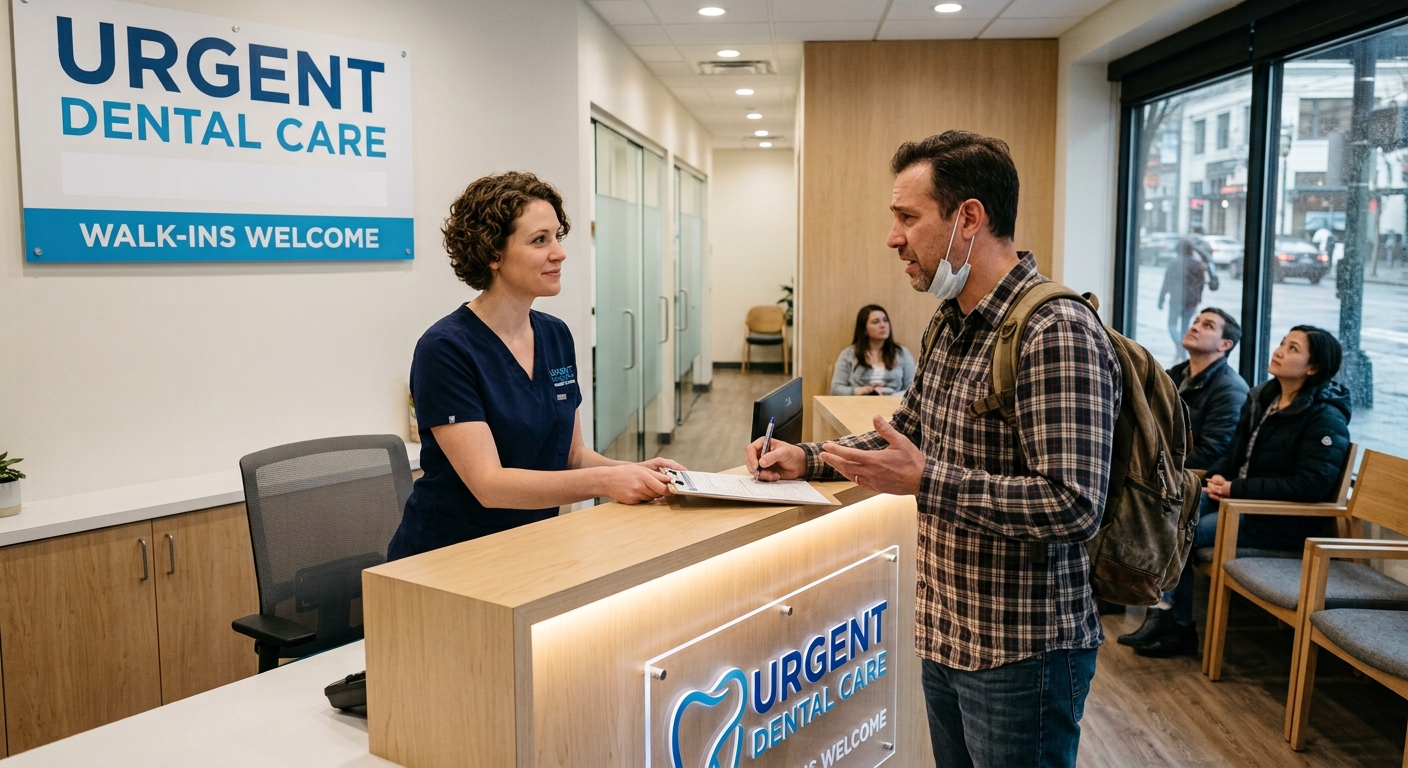
Reviewed by Dr. Tarsem Lal, DDS — Urgent Dental Care of 3264 S Loop W, Houston, TX.
Quick Answer
The emergency dentist appointment checklist for Houston walk-ins is short: photo ID, insurance card if you have one, a written list of every medication and dose, allergies, and a payment method. Bring those five and the visit moves at full speed. The biggest delay isn't paperwork — it's not knowing the name of a pill you take daily.
Key Takeaways
- Five items cover most of intake: ID, insurance card, medication list, allergies, payment.
- Write the medication list down first. "A little white pill" stops the visit cold.
- Blood thinners and diabetes medication change the plan — say them at check-in.
- Never stop a prescribed medication to prepare without asking the prescriber.
- Arrange a driver if sedation is even a possibility.
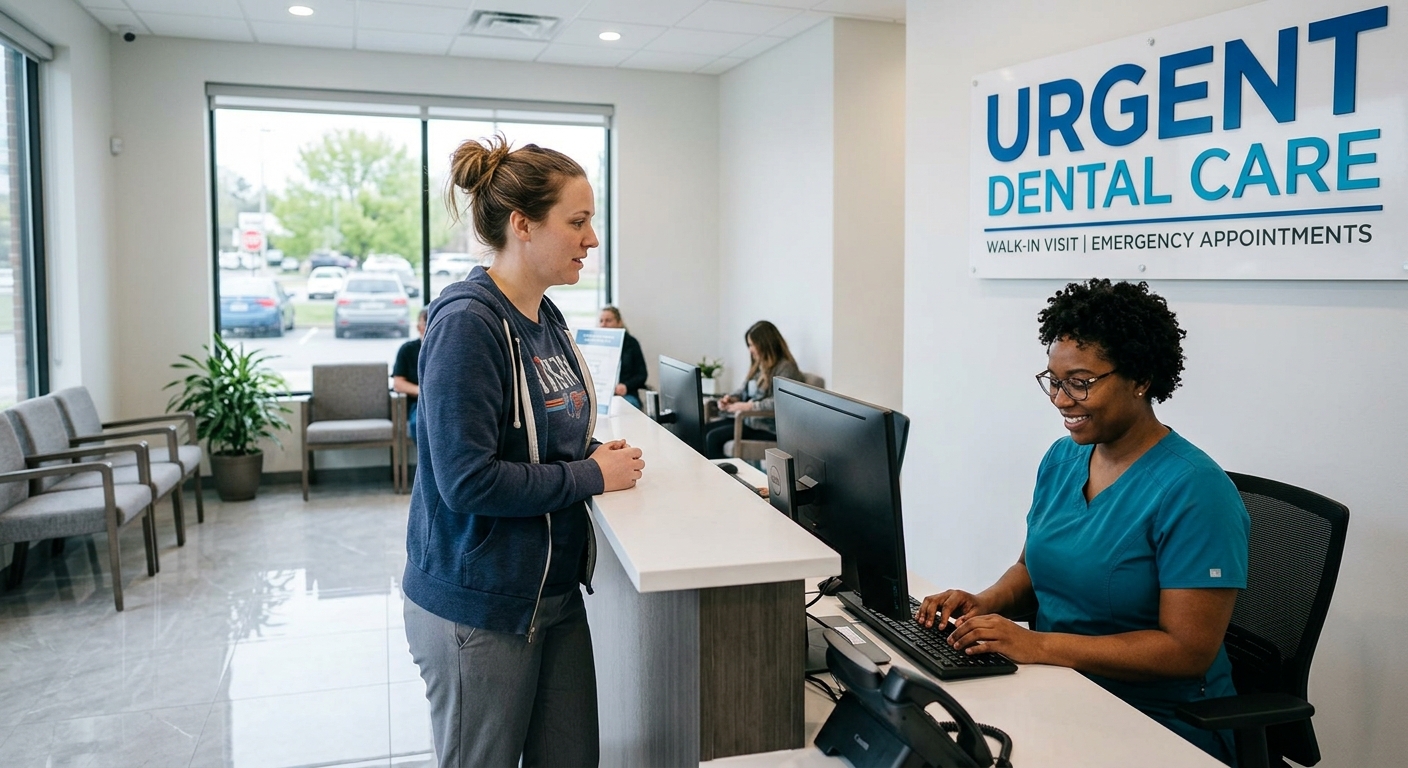
What Do I Need to Bring to an Emergency Dentist?
Five essentials, none of which take long to gather. Everything else is helpful rather than required, and nobody is turned away for missing a document.
ID and payment cover the admin side. The medication and allergy lists are what let Dr. Tarsem Lal, DDS choose an anesthetic, judge bleeding risk, and decide whether a tooth can come out today.
Which Medications Actually Change the Treatment?
Blood thinners, diabetes medication, bisphosphonates, and immunosuppressants matter most, because each affects bleeding, healing, or infection risk. Say these at check-in rather than waiting to be asked.
- Anticoagulants and antiplatelets — bleeding control during emergency tooth extraction.
- Diabetes medication — timing matters if you've skipped a meal.
- Bisphosphonates or denosumab — bone-healing implications.
- Immunosuppressants or chemotherapy — infection and healing risk.
Never stop a prescribed medication to prepare for a dental visit. That call belongs to your physician, and the practice coordinates with them when needed.
What Slows a Walk-In Dental Visit Down?
Unknown medication names, uncontrolled blood pressure, no driver when sedation is planned, and a full meal before sedation. Each adds twenty to sixty minutes; two can postpone treatment.
How Does a Walk-In Visit Actually Flow?
Intake, focused exam, X-ray, written estimate, then treatment. Preparation affects only the first stages — but that's where delays are created.
Process Timeline — What Your Prep Affects
Should I Eat Before? Do I Need a Driver?
Eat lightly for local anesthetic; don't eat if sedation is likely. Bring a driver whenever sedation is possible, because you won't be permitted to drive home.
Myth vs. Fact
Frequently Asked Questions
1. What if I have no ID? You'll still be examined and treated. Mention it when you call.
2. Can I photograph my pill bottles instead? Yes, and it beats nothing. A typed list with doses is still faster to read at intake.
3. Is the member number enough without the card? Usually. The number plus the subscriber's date of birth verifies benefits while you wait.
4. What if I don't know my medical history well? Bring a family member who does, or call your pharmacy — they can read the list over the phone.
5. Should I take my usual medications that morning? Yes, unless your physician says otherwise. Blood pressure medication especially should be taken as normal.
6. Can I bring my child with me? Yes, though a second adult helps if you may be sedated.
7. What if I can't pay in full today? In-house financing up to $1,500 covers most urgent treatment, and the exam gives you a written plan either way.
8. Do I need a referral? No. Walk-in emergency care requires no referral and no existing patient record.
9. What should I wear? Sleeves that roll up easily, so vitals can be taken quickly.
10. Will high blood pressure stop my treatment? It can. A significantly elevated reading may mean pain relief today and definitive treatment once it's managed.
11. How early should I arrive? Earlier is better. Patients from Jersey Village, Spring Branch, Cypress, Copperfield, Bear Creek, Willowbrook, the Energy Corridor, Memorial, and Katy often come straight from work; exit Beltway 8 at Westway Park Boulevard.
12. What if I forget something? Come anyway. Missing items get worked around — the visit just takes longer.