
When Over-the-Counter Painkillers Stop Working on a Toothache
Quick Answer
When over-the-counter painkillers stop working on a toothache, it almost always means the problem has progressed — not that you have built up a tolerance. Anti-inflammatories control pain while the pulp is inflamed, but once the nerve dies or infection spreads into bone, there is no longer an inflammatory process for them to interrupt. Escalating your own dose at this point adds real risk without adding relief, and is itself a reason to be seen.
.jpg)
Key Takeaways
- Painkillers failing is a diagnostic signal, not a dosing problem. The tooth has moved to a stage medication cannot reach.
- Never exceed the maximum on the label, and never take two products containing the same active ingredient — hidden acetaminophen in cold and flu remedies is the most common cause of accidental overdose.
- Alcohol plus painkillers is particularly dangerous with dental pain, and alcohol worsens throbbing by dilating blood vessels.
- Numbing gels reach the gum, not the nerve inside the tooth. They cannot touch pulpal pain.
- If you are timing doses around the clock just to function, you are past the point where waiting makes sense.
- Urgent Dental Care of Houston takes walk-ins Friday, Saturday, and Sunday, 8 AM to 8 PM, from Jersey Village, Spring Branch, Cypress, and across Northwest Houston. Call 346-641-0606.
Why have my painkillers stopped working on my toothache?
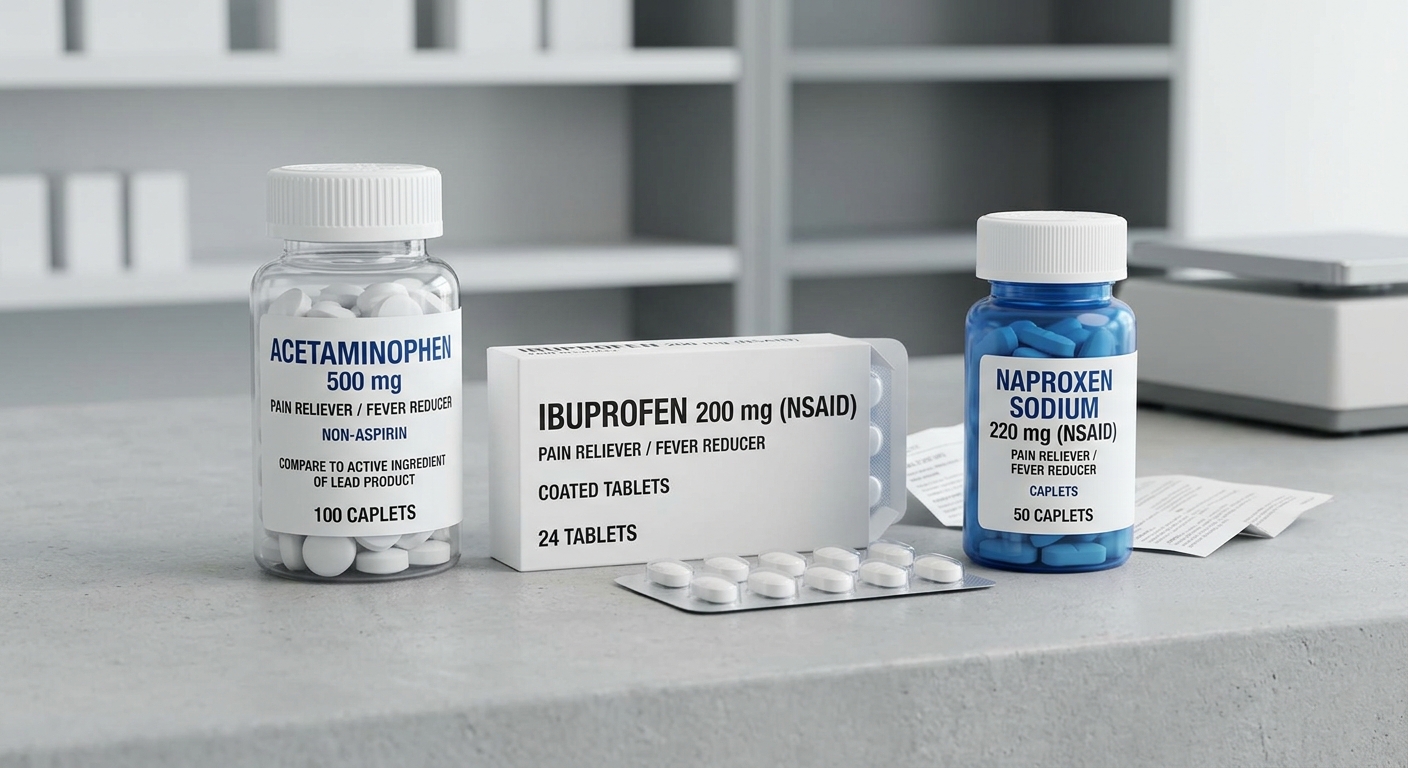
Because the source of the pain changed. Anti-inflammatories like ibuprofen and naproxen work by blocking the chemicals that drive inflammation, which is exactly what hurts during early pulpitis. Once the pulp dies or an abscess forms in bone, the pain is driven by pressure and infection instead — mechanisms those drugs were never designed to address.
There is a second reason, and it is the one patients rarely consider: an infected tooth develops an acidic environment that also makes local anesthetic less effective. The same biology that blunts your ibuprofen is why a dentist may need a different anesthetic technique once infection is established.
What changed, and what it means
"When a patient tells me nothing is working anymore, that sentence alone changes my differential," says Dr. Tarsem Lal, DDS. "It rarely means they need something stronger. It usually means the tooth has crossed a line, and the fix is to remove the source rather than chase the symptom."
What actually works on tooth pain, and what doesn't?
Anti-inflammatories generally outperform acetaminophen for dental pain because inflammation is the underlying mechanism. Topical gels and folk remedies have a much narrower role than most people assume.
The safest approach is to stay within a single product's label maximum and confirm anything else with a pharmacist. There are pharmacies all along Clay Road, West Little York, and the Beltway 8 feeder roads, and a pharmacist will check your medication list against a dental painkiller in under five minutes at no charge.
Is it safe to take more than the label says?
No. The label maximum is where the safety margin ends, and dental pain is one of the leading reasons people accidentally exceed it. The risk is not theoretical — acetaminophen overdose is a leading cause of acute liver failure, and it usually happens by accident.
The three most common ways people overdose while treating a toothache:
- Taking a dedicated painkiller plus a cold, flu, or sleep product that already contains acetaminophen
- Adding leftover prescription pain medication that also contains acetaminophen
- Doubling a dose because "the normal amount isn't working"
Additional cautions worth checking with your pharmacist:
- NSAIDs if you take blood thinners, have kidney disease, ulcers, or uncontrolled blood pressure
- Alcohol with either drug class — and alcohol independently worsens throbbing by dilating blood vessels
- Pregnancy — the usual first-line choice differs, so ask before taking anything
How long can I safely manage a toothache at home?
Days, not weeks — and the honest answer is that home management is a bridge to an appointment, not a substitute for one. The arc below is what we see most often in the walk-ins who arrive first thing on a Friday.
Stage 5 is the one that costs people teeth. If your pain vanished after being severe, our guide to what different types of tooth pain mean explains why that silence is not recovery.
Should I keep medicating, call, or go to the ER?
The hospital emergency departments along US-290 and I-10 — including HCA Houston Healthcare Northwest and Memorial Hermann Memorial City — handle the bottom three rows. For everything above them, a dentist is both faster and dramatically cheaper: an ER can medicate the pain, but it cannot treat the tooth, which is why so many patients end up paying twice. Our walk-in hours run Friday through Sunday, 8 AM to 8 PM, when most Northwest Houston practices are closed.
Myth vs. Fact
What will an emergency dentist do differently?
The goal is to remove the source of the pain rather than mask it, which is why relief from treatment is usually both faster and more complete than anything from a pharmacy.
- Focused exam and digital X-ray — around 10 minutes
- Cold, percussion, and bite testing to confirm the responsible tooth
- Diagnosis and a written estimate before treatment begins
- Same-visit treatment — most often opening the tooth to release pressure and starting emergency root canal treatment, drainage if an abscess has formed, or extraction when the tooth cannot be saved
Our $89 emergency exam covers the comprehensive exam and digital X-rays, so you leave with a diagnosis and a written plan even if you choose to think it over. In-house financing is available when treatment runs beyond what you planned to spend that day, and if the culprit turns out to be a partially erupted third molar, wisdom tooth extraction can often be handled in the same visit.
About the author
Dr. Tarsem Lal, DDS practices at Urgent Dental Care of Houston, 4410 Westway Park Blvd #600, Houston, TX 77041, a walk-in emergency dental practice serving Northwest Houston including Jersey Village, Spring Branch, Cypress, Copperfield, Bear Creek, Willowbrook, the Energy Corridor, Memorial, and Katy. A large share of the Friday morning walk-in list arrives after a week of self-medicating, and Dr. Tarsem Lal's focus is relieving pain at the source in a single visit rather than sending patients home with another prescription.
This article is general education and does not replace an in-person examination or advice from your pharmacist or physician.
Frequently Asked Questions
Why do painkillers stop working on a toothache? Because the pain mechanism changed from inflammation to pressure and infection. Anti-inflammatories interrupt inflammation, so once the pulp dies or an abscess forms, there is nothing left for them to block.
Can I take ibuprofen and acetaminophen together? Many dentists do recommend combining them for dental pain because they work differently, but the right amounts and timing depend on your health history. Ask your pharmacist or dentist before starting, and never exceed either label maximum.
What is the strongest thing I can take for a toothache at home? There is no home option stronger than a correctly dosed anti-inflammatory, and stronger prescriptions don't fix the tooth either. Definitive relief comes from treating the source.
Is it dangerous to take painkillers for a week straight? It can be, particularly with NSAIDs and your stomach or kidneys, or with acetaminophen and your liver. A week of continuous need is a clear signal to be examined rather than to continue.
Why doesn't numbing gel help my toothache? Benzocaine gels numb surface gum tissue only. The pain originates inside the tooth, several millimeters beneath a layer the gel cannot cross.
Can I use leftover antibiotics from a previous infection? No. Partial courses drive resistance, the wrong antibiotic does nothing, and even the right one cannot reach an infected pulp that has lost its blood supply.
Does alcohol help tooth pain? No. It dilates blood vessels and worsens throbbing, and combining it with acetaminophen or NSAIDs carries serious liver and bleeding risks.
Why does my pain get worse at night even with medication? Lying flat increases pressure inside an inflamed pulp. Our guide on tooth pain that worsens lying down covers what actually helps overnight.
Will the dentist just give me stronger painkillers? No — the aim is to treat the cause so painkillers become unnecessary. Most patients leave with less pain than any medication provided.
I'm pregnant and nothing is working. What can I do? Ask before taking anything, since first-line choices differ in pregnancy. Untreated dental infection carries more risk than treatment, and we can adapt imaging and anesthetic accordingly.
Can I be seen on a weekend? Yes — that's exactly when we're open. Walk-in hours run 8 AM to 8 PM Friday, Saturday, and Sunday, covering the gap left by weekday-only practices across Jersey Village, Spring Branch, and Cypress.
What if I can't afford treatment right now? The $89 emergency exam includes X-rays and a written estimate with no obligation, and in-house financing is available so cost doesn't delay care.